Revealing terroir
The house
Above all, a profession: that of an oenologist specializing in native yeasts, based in Beaune, who vinifies wines from named plots of vines.
Presentation
A craft above all
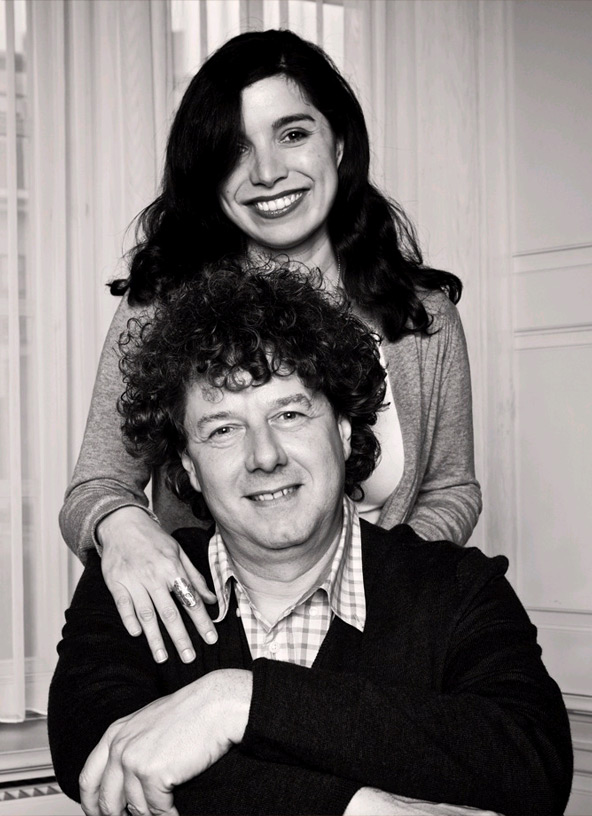
Philippe Pacalet grew up in a winegrowing family whose history includes a winemaker ancestor in 1780. His scientific studies led to a qualification in oenology and a specialisation in indigenous yeasts.
He learned from experienced wine professionals and spent ten years managing a wine estate in the Côte de Nuits.
In 2001, he founded his own house. It has been based on rue de Chaumergy in Beaune since 2006.
Today, Maison Philippe Pacalet buys the harvest from around twenty hectares of vines and carries out the picking itself. Sustainable, environmentally respectful vineyard work is closely monitored and follows strict specifications.
The wines come from the Côte de Nuits, Côte de Beaune, Chablis, Beaujolais and the Rhône Valley.
Philosophy
It starts in the vineyard
Philippe Pacalet works with quality plant material. In order for the terroir to express itself later in the wine, you need soil that ferments, meaning fertile soil. Indeed, to capture the original information of the place, it is essential that the vine “nourishes” itself with the specificities of its soil, its geology, its exposure and its microclimate.
This soil life also contains the various species of indigenous yeasts which participate, via fermentation, in the terroir effect.
The grapes are picked with care by harvesters whose working conditions are respected.
Making the wine
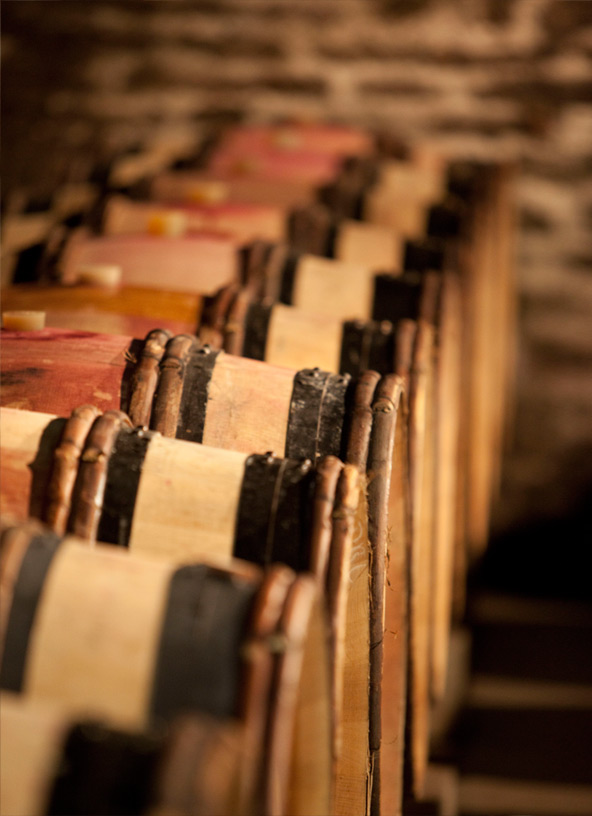
The reds ferment as whole bunches in wooden vats shaped like a truncated cone. Traditional foot punch-downs continue for 3 to 4 weeks. The pomace is then lifted out with a fork and pressed. The wines spend 15 to 18 months in Burgundy barrels previously used for 1 to 3 vintages.
For the whites, whole-bunch pressing is followed by a short settling period. The juice then goes into barrels previously used for 1 to 3 vintages, where alcoholic fermentation begins.
Philippe Pacalet works with indigenous yeasts and uses no SO2 during fermentation or ageing. The wines age on their lees without racking, to preserve the expression of each vineyard site. A small addition of SO2 may be made at bottling, especially for the whites.
Ageing the wine
Ageing takes 14 to 18 months, with monthly tastings and laboratory analysis.
For Philippe Pacalet, this stage is decisive because Burgundy’s vineyard sites each develop differently. Every terroir has its own pace. Each wine needs careful attention so it can be bottled at the right moment.
Bottling
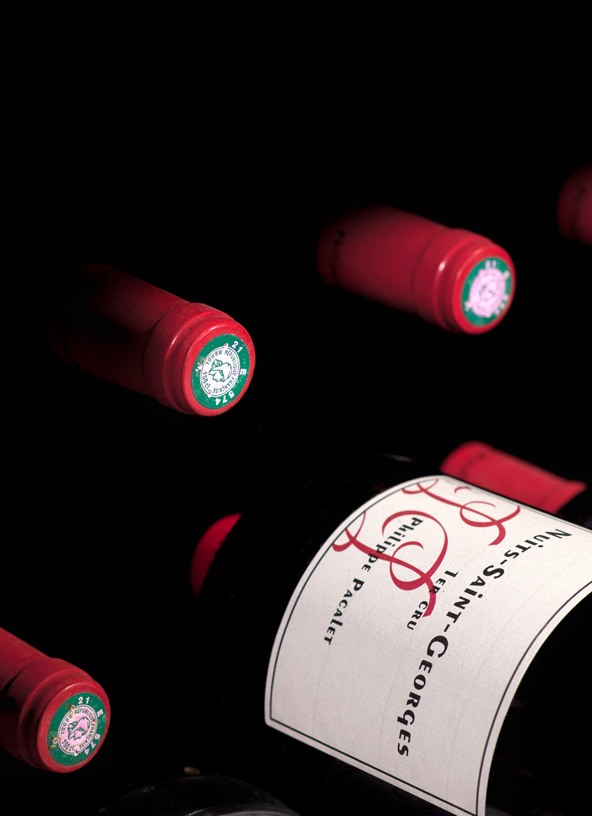
Tasting determines when to bottle. When the wines are ready, they are racked by gravity without filtration and brought together in a tank. They then rest for one to two months before bottling.